Chain Bridge
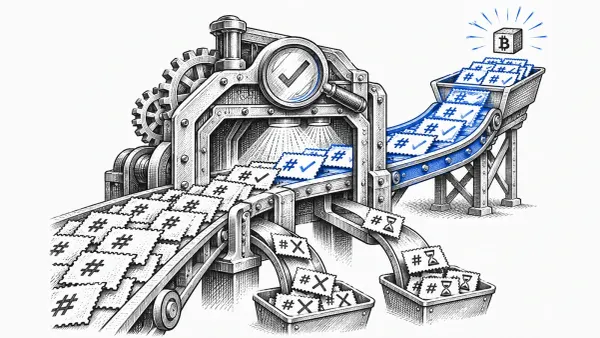
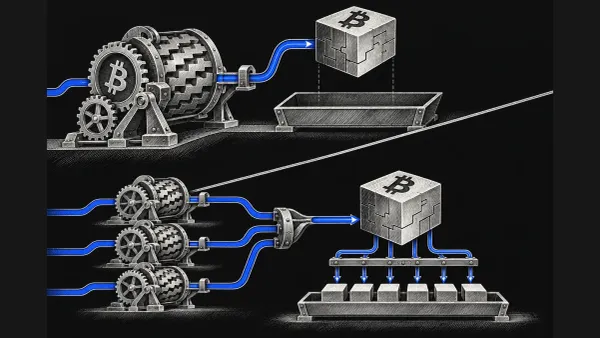
Mining pool shares: accepted, stale and rejected work
Understand share difficulty, read rejection reasons and compare pool-side hashrate with the right time window before changing a working miner.

Colin Hensley writes about cryptocurrency, financial freedom and practical skills for readers exploring crypto earning opportunities and careers.
About Colin HensleyUnderstand share difficulty, read rejection reasons and compare pool-side hashrate with the right time window before changing a working miner.
Separate shared rewards from hosted solo services, calculate the chance of a block over your budget horizon, and choose the operating risk you can afford.
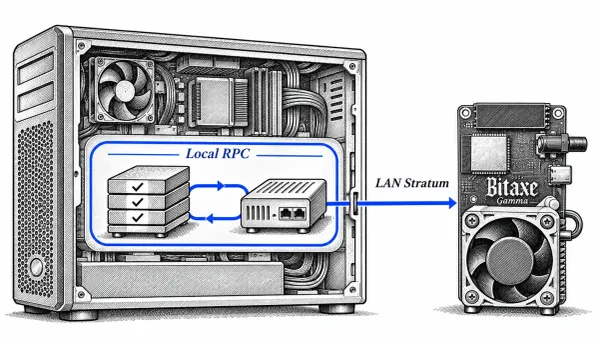
Keep Bitcoin Core's RPC on the same PC, give the miner a separate Stratum address, and check the old Windows app before copying its settings.
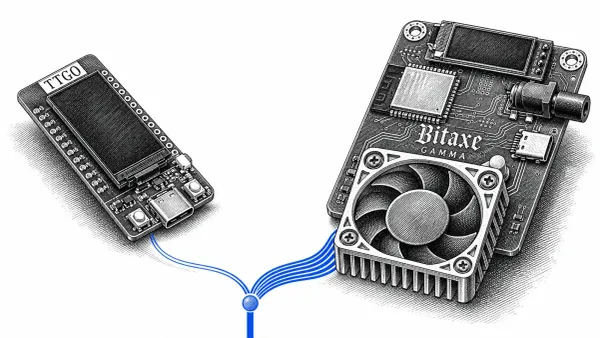
Two firmware projects can run on similar ESP32 boards. Compare source access, board-bound activation, published checks and what changes when you switch.
The hashing chip changes the purchase. Compare an ESP32 NerdMiner with a single-chip Bitaxe Gamma, including published operating checks, power and cooling.
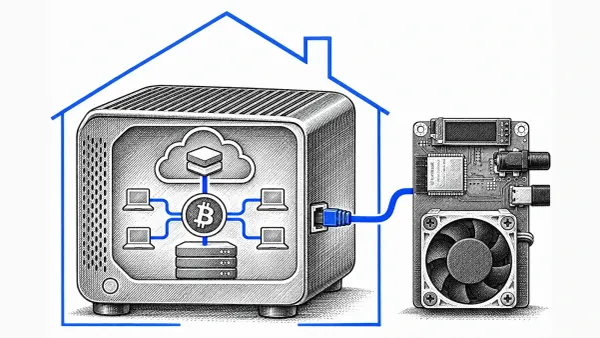
Umbrel connects Public Pool to your Bitcoin node. Give the miner the correct local endpoint, then verify accepted work before troubleshooting the dashboard.
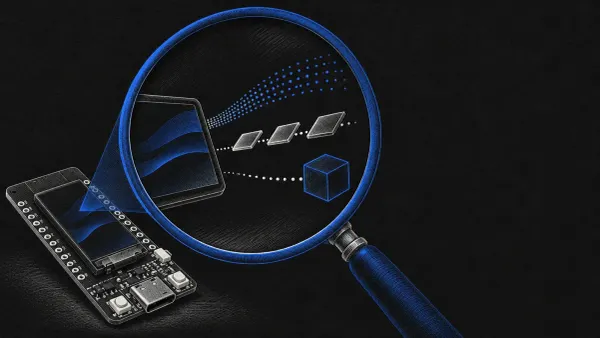
Read the original NerdMiner mining screen without confusing local hashing, pool shares and a Bitcoin block win.
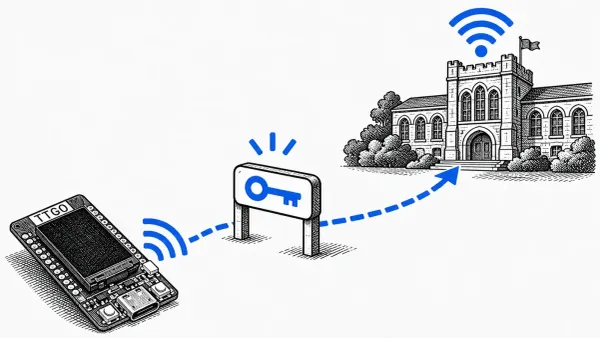
Check campus authentication first, then configure an approved device network and verify that mining work can reach your NerdMiner.
A small electricity bill doesn't make an ESP32 miner profitable. Calculate block odds, distinguish expected value from payouts and budget the full hobby cost.
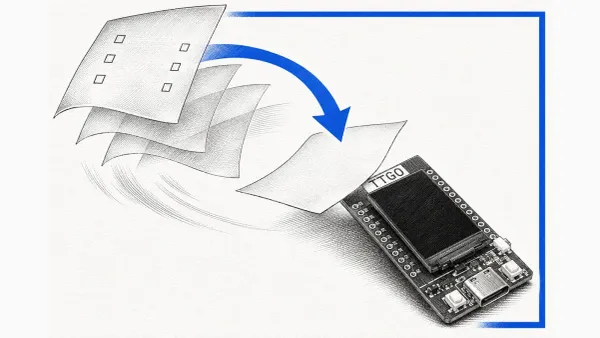
Choose the correct original-firmware reset, keep settings when changing Wi-Fi and recognize SD-card configuration restoration.
USDC itself pays no interest. Identify the earning product, calculate your net return and check the withdrawal conditions before committing funds.
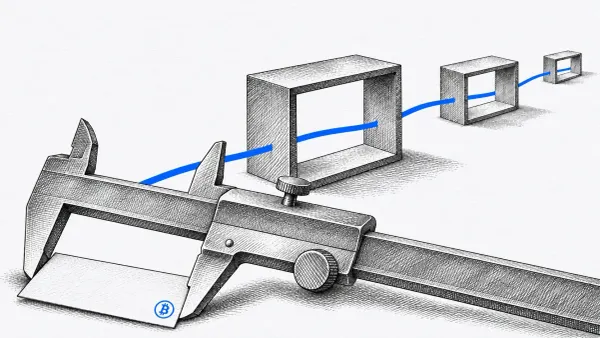
Choose a Bitcoin Core confirmation target, interpret the returned fee rate and method, and investigate missing estimates before setting a transaction fee.