Chain Bridge
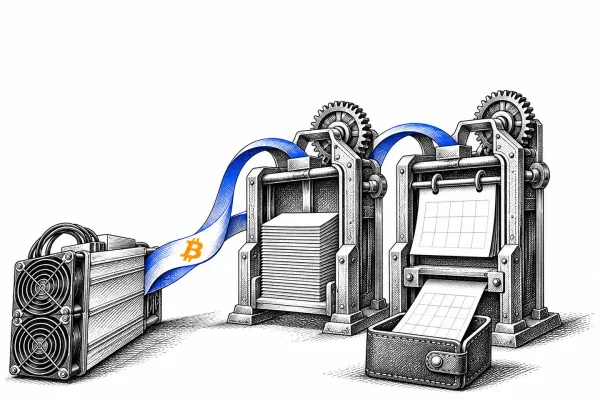
ViaBTC mining pool: set up Bitcoin work and payouts
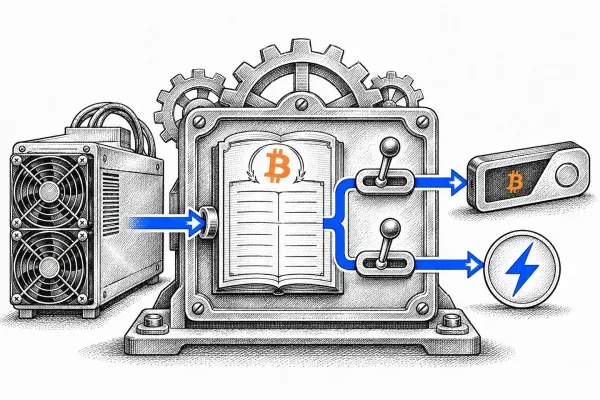
Separate ViaBTC's Bitcoin connection, reward method and automatic payout mode, including the account-wide switch warning and current-day earnings reserve.
Find compatible endpoints and diagnose pool connections.
Separate ViaBTC's Bitcoin connection, reward method and automatic payout mode, including the account-wide switch warning and current-day earnings reserve.
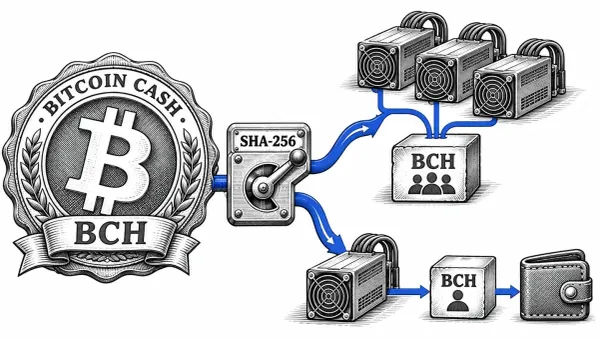
Choose a native-BCH receiving route before connecting a SHA-256 ASIC. Shared pool credits and direct solo block rewards need different payment and wallet checks.
Match calculator units and fee assumptions, then separate credited revenue from power costs, cash payments and hardware payback.
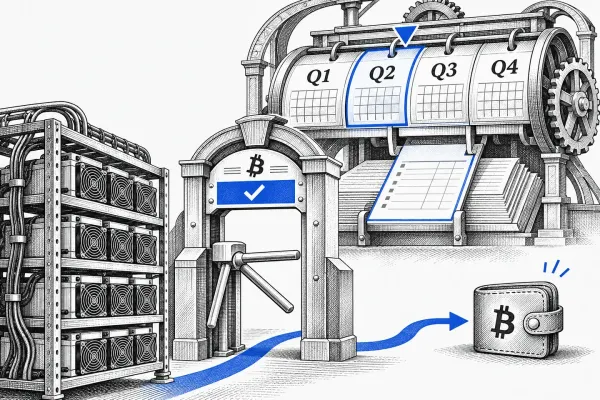
Check admission and quarter-based pricing before moving miners, then prevent an under-threshold payout address from holding up a Foundry subaccount's payment.
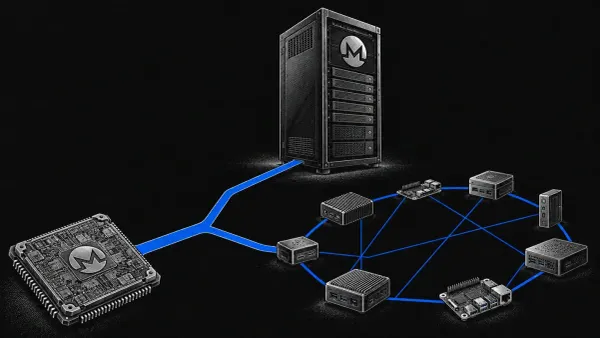
Compare conventional Monero pools with P2Pool by custody, maintenance and payment conditions, then check the right shares, sidechain and receiving wallet.
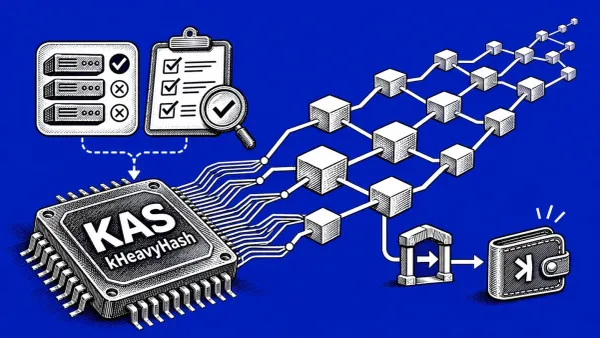
A Kaspa pool choice starts with the exact ASIC port and ends with the receiving wallet. Compare payment conditions and keep account logins separate from native KAS addresses.
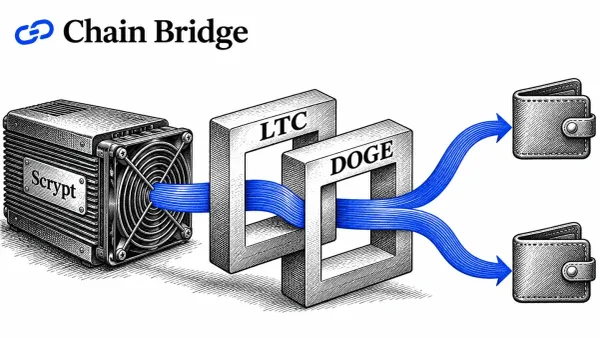
Choose a Dogecoin pool by the work it accepts and the assets it pays. Check merged-reward activation, separate LTC/DOGE balances and payout conditions first.
Choose an eligible Bitcoin pool by achievable payouts, reward variability and control. A conditional shortlist for an ASIC you own or direct through a host.
Verify Luxor subaccount ownership before sending work, separate team permissions from approval policy and confirm the payout terms that apply to your account.
Connect the right Braiins worker, follow FPPS credits into Financial Accounts and configure an automatic Bitcoin or Lightning payout you can receive.
Connect a compatible ASIC with the correct server and worker identity, then check accepted work and payout readiness. Includes a documented f2pool example.
Read Bitcoin pool statistics with matching windows and denominators. A block-distribution chart can't establish hardware ownership or predict your next payout.