Chain Bridge

Bitcoin Core descriptors: read, inspect and back them up
Understand what a Core descriptor contains, what public exports expose and why one copied string may leave out signing keys, change branches or wallet metadata.
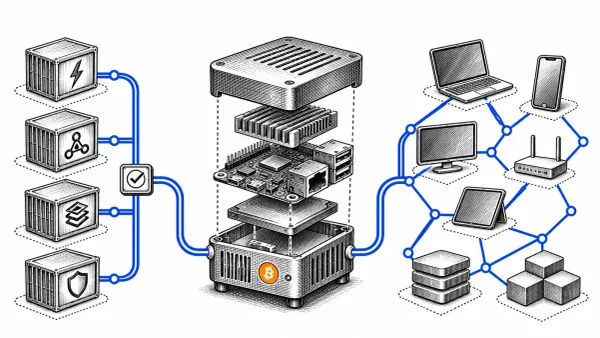
Choose hardware for a Bitcoin node, follow a setup route and check local access. Compare storage needs, first synchronization and the Umbrel dashboard.
Understand what a Core descriptor contains, what public exports expose and why one copied string may leave out signing keys, change branches or wallet metadata.
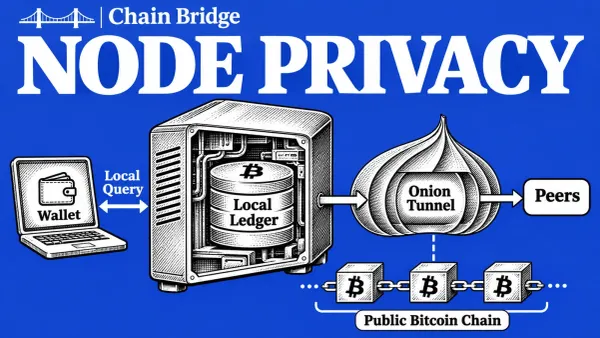
Your node helps when the wallet uses it. Check address queries, peer routing and transaction submission separately, with clear limits for Tor and encrypted transport.
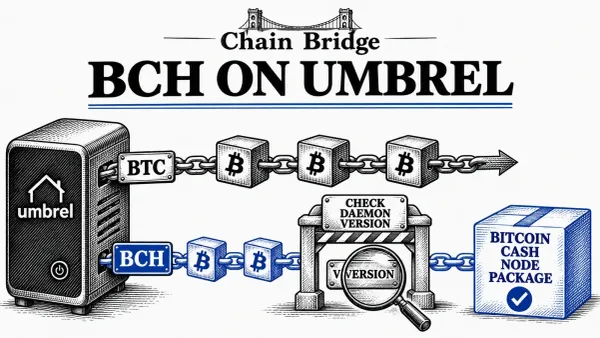
Bitcoin Cash Node is available in Umbrel's official store. Check the bundled BCHN version, preserve existing BTC data and add a separate mining server if needed.
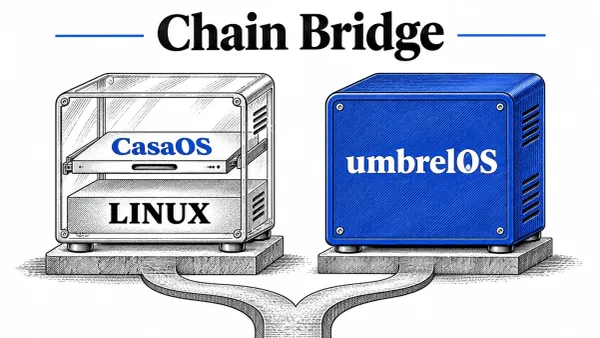
Choose by host maintenance, required apps and recovery. CasaOS and Umbrel differ most where a dashboard ends and responsibility for your data begins.
Choose by your required apps, recovery plan and household access. Current StartOS and Umbrel differ from older comparisons of Tor, HTTPS and storage.
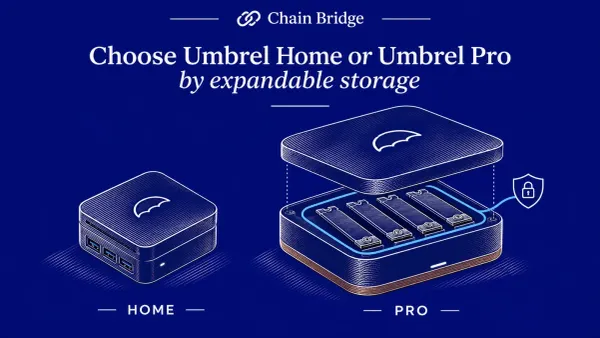
Home includes an SSD; the base Pro doesn't. Compare the configuration you can order, protected storage capacity and the workload each machine must handle.
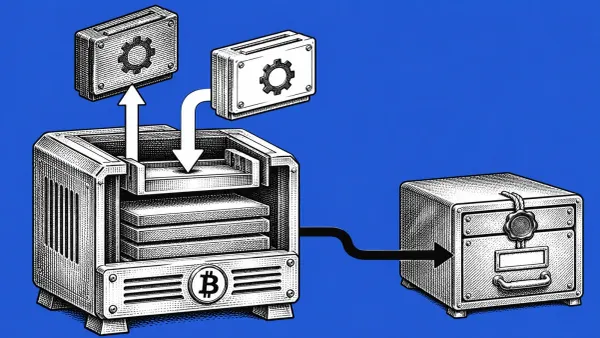
Prepare an existing node for a software update, protect recovery copies, and check the limits of wallet, index and application compatibility.
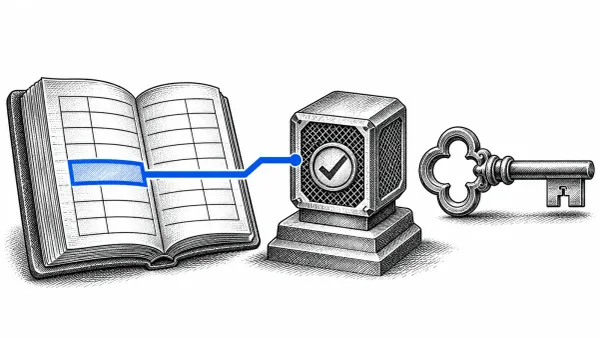
Check a specific transaction output locally, then distinguish its unspent state from wallet recognition, available signers and spending conditions.
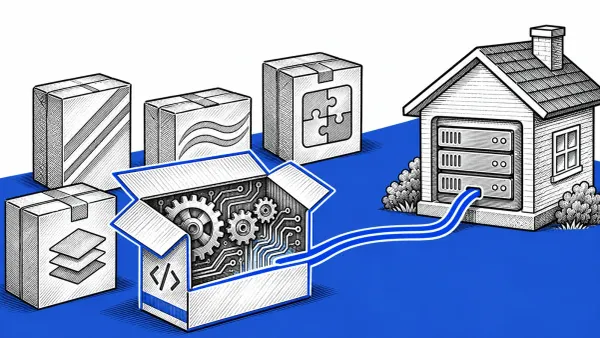
Check the maintainer, package access and recovery plan before installing. Removing a community store leaves its installed apps in place.
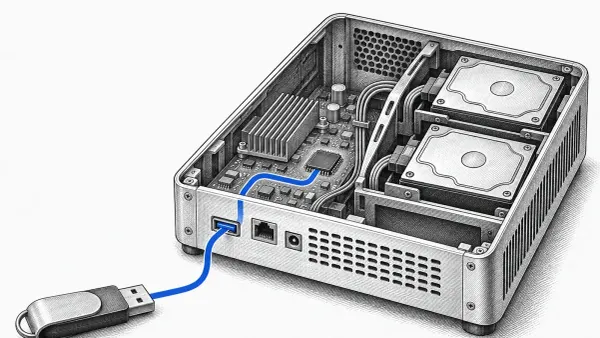
A USB boot image stays plugged in; an installer USB comes out. Choose the correct route for your PC, Pi or VM before erasing a drive.
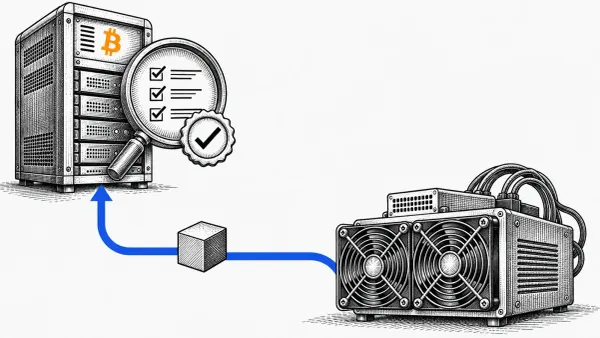
Understand what your node checks, what an ASIC does, and why pool payouts and block validation are separate jobs.
Choose managed Bitcoin RPC by required methods, history and capacity, then check the access, logging and recovery promises behind the endpoint.