Chain Bridge
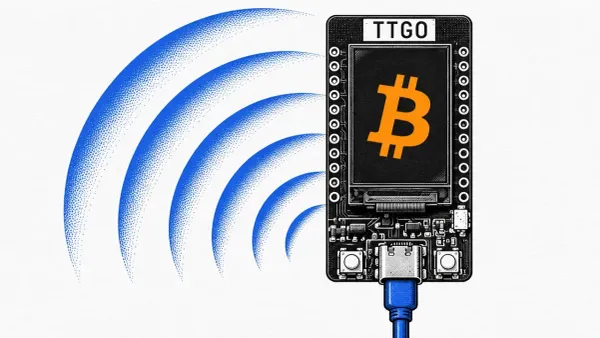
NerdMiner setup: Wi-Fi, pool and your Bitcoin address
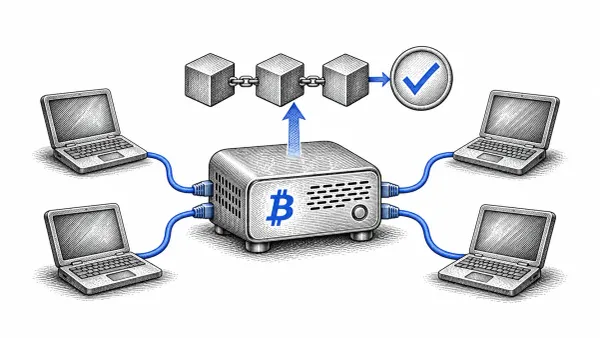
Set up original NerdMiner firmware, choose a compatible pool and check that mining work is arriving.
Start with the setup you have: a computer, a small miner or a token you need to move. These guides explain the first decisions and checks.
Set up original NerdMiner firmware, choose a compatible pool and check that mining work is arriving.
Choose storage, verify the download and follow the first sync without adding a server platform.
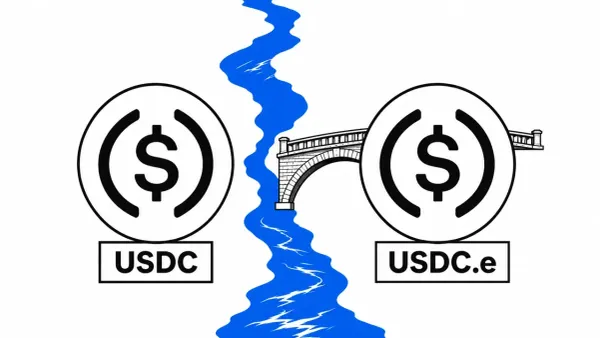
Native and bridged USDC can share a wallet. Their contracts, transfer routes and deposit support differ.
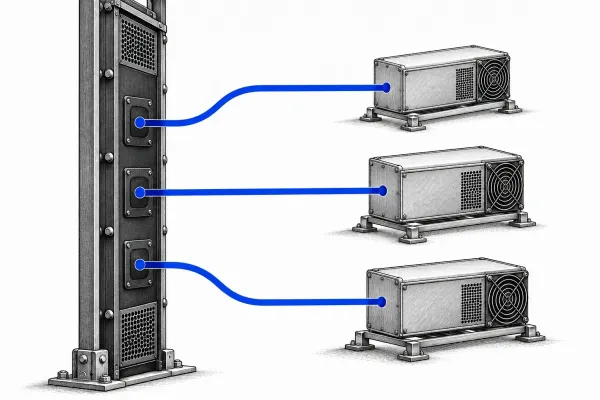
Select a PDU by its exact input, outlet and bank limits, then approve a load schedule and the monitoring or switching your mining setup needs.
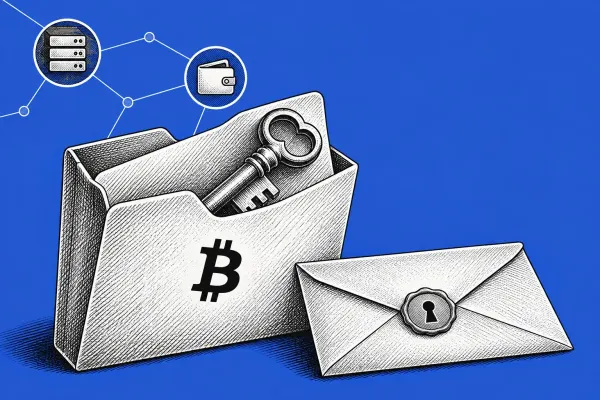
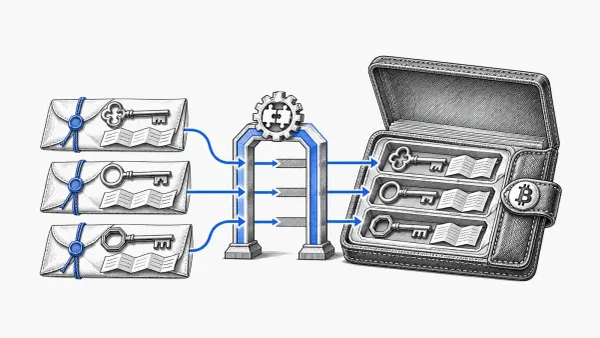
Choose the right wallet mode, protect the passphrase and back up the correct wallet before sending funds to a new Bitcoin Core address.
Match the right release to its signed checksum file, authenticate the signers and check your exact download before running Bitcoin Core.
Replace old importprivkey loops with a deliberate descriptor import: preserve scripts, choose a compatible destination and verify partial results before retrying.
Use a supported snapshot to reach the tip sooner, while checking the historical validation that continues behind it. Includes current RPC checks and load-error branches.
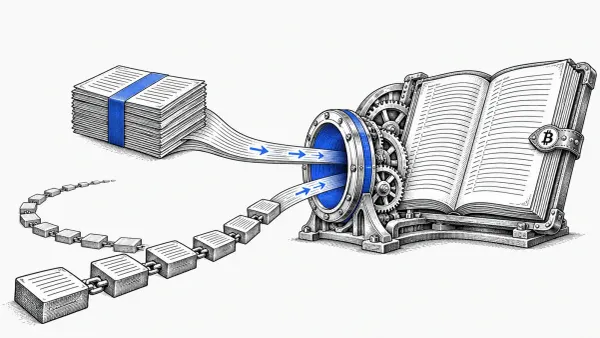
Read a Bitcoin block's transactions and scripts, understand optional addresses and input prevouts, and avoid confusing block history with current unspent outputs.
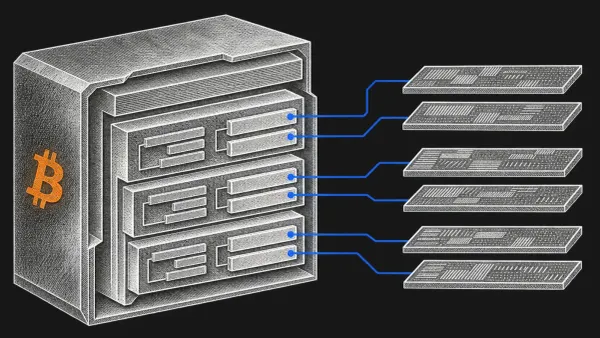
Choose the chain and exact build before comparing filters. Current Core and mainline Knots differ beyond relay policy, with consequences for wallets, mining and migration.
Choose the network by the control your test needs. Match the node and client flags, verify the actual chain, and keep test balances and mainnet wallets separate.
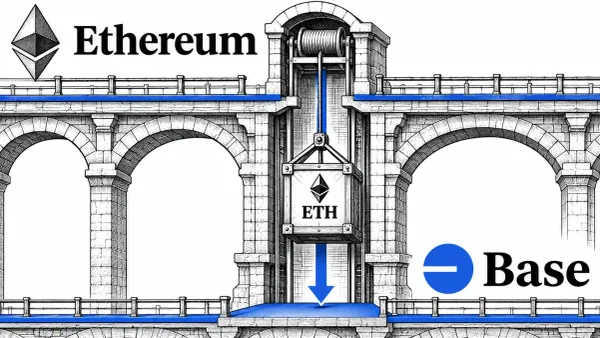
Choose the right ETH route to Base, reserve source gas and confirm destination delivery. Check provider fees and the return to Ethereum before committing.
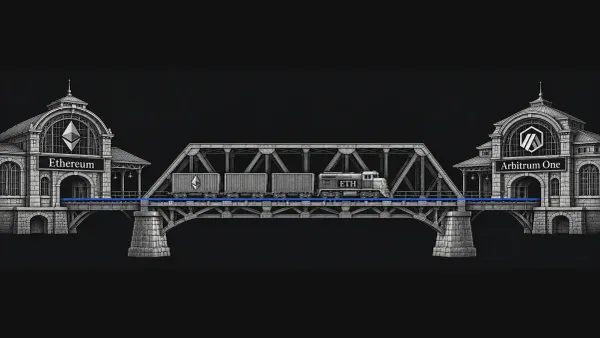
Fund Arbitrum One with ETH, check the official deposit's wallet and gas requirements, and plan the return withdrawal's waiting period and Claim step.
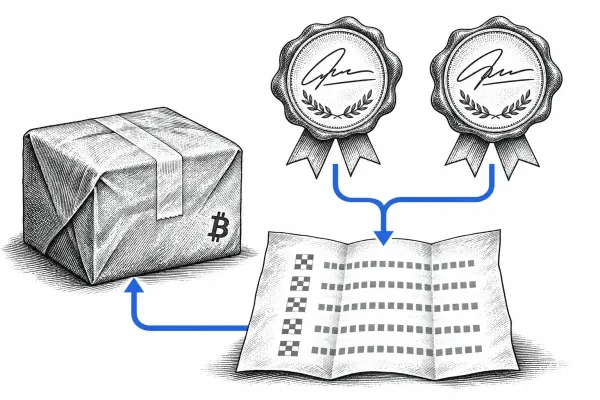
Understand what a Core descriptor contains, what public exports expose and why one copied string may leave out signing keys, change branches or wallet metadata.