Chain Bridge

Contents
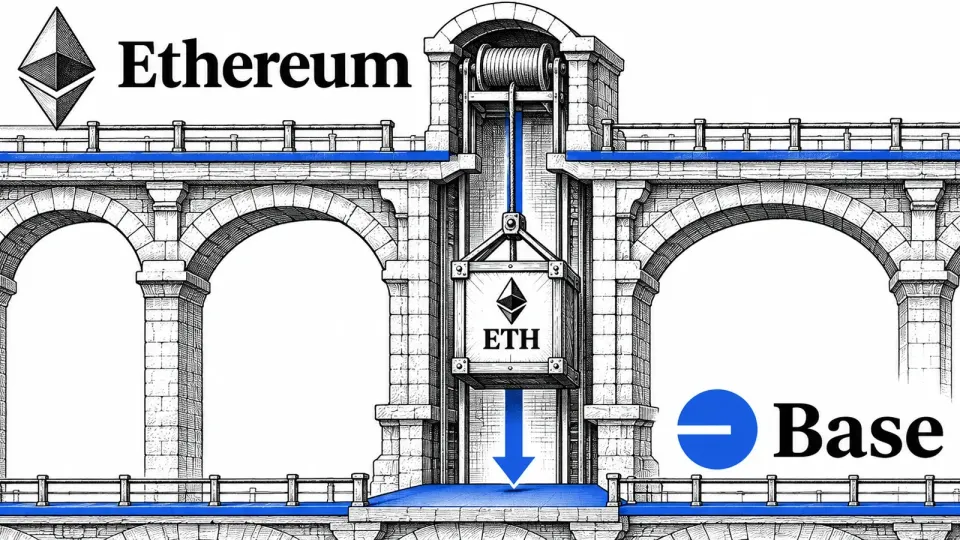
To bridge ETH from Ethereum to Base, select Ethereum and ETH as the source, then Base and ETH as the destination. Keep ETH on Ethereum for the sending fee, review the actual bridge route and confirm the receiving wallet's ETH balance on Base. Simply switching the wallet to Base doesn't move your funds.
I'd decide where the funds are starting before opening a bridge. ETH held in a supported exchange account may already have a direct Base withdrawal option, which avoids an unnecessary trip through Ethereum.
Choose a route from the balance you hold
Base's official bridge directory points Ethereum holders toward Superbridge, Brid.gg or a supported fast bridge. It separates these from exchange withdrawals and routes from other chains. The former interface at bridge.base.org has been deprecated.
| Starting balance | Route to check | Before confirming |
|---|---|---|
| ETH in your Ethereum wallet | Ethereum → Base through a standard or fast bridge | Native ETH output on Base, source gas and the selected provider |
| Funds in a Coinbase account | Direct withdrawal with Base selected, when supported | Current ETH withdrawal network, recipient and exchange fee |
| Assets on another chain | A bridge or aggregator supporting that exact source and Base | Input asset, final ETH output and all intermediate operations |
The standard bridge uses Base's proof system on Ethereum. Fast bridges pay from destination liquidity and depend on the provider's contracts, relayers and liquidity. An aggregator's route inherits the dependencies of the bridge it selects. A familiar interface doesn't remove that distinction.
I would compare the final ETH received under the same input amount and endpoints. Check the provider, estimated delivery and any later transaction required to finish. A smaller advertised fee can still accompany a lower output or an extra paid step.
Prepare the recipient and gas on the right network
Base's mainnet network details specify chain ID 8453 and ETH as the currency. Select Base mainnet, not Base Sepolia or another Ethereum rollup. For a self-custody wallet, check the intended account; for an exchange or app deposit, establish that it accepts ETH specifically on Base.
Choose native ETH as the output if you need Base gas. A route delivering WETH or another token doesn't meet that output requirement. ETH still held on Ethereum can't pay an ordinary transaction's gas on Base.
For an ordinary Ethereum-funded transaction, reserve ETH on Ethereum instead of bridging the entire balance. Superbridge's network-fee explanation separates source gas from later transactions on other chains. Some routes sponsor submission; use the actual fee screen to establish that exception.
Open a provider from the official directory and check its full domain. Read its access restrictions before connecting; Superbridge restricts certain regions and screens wallet addresses. An unavailable route is a reason to stop, not to conceal your location. Never enter your recovery phrase into a bridge or support form.
Move Ethereum ETH to Base with Superbridge
Superbridge can offer both a Native bridge route and third-party routes. Its documented transfer sequence begins with the endpoints and amount, then shows available routes. The endpoint picker below establishes the direction; it doesn't identify which provider will execute the transfer.
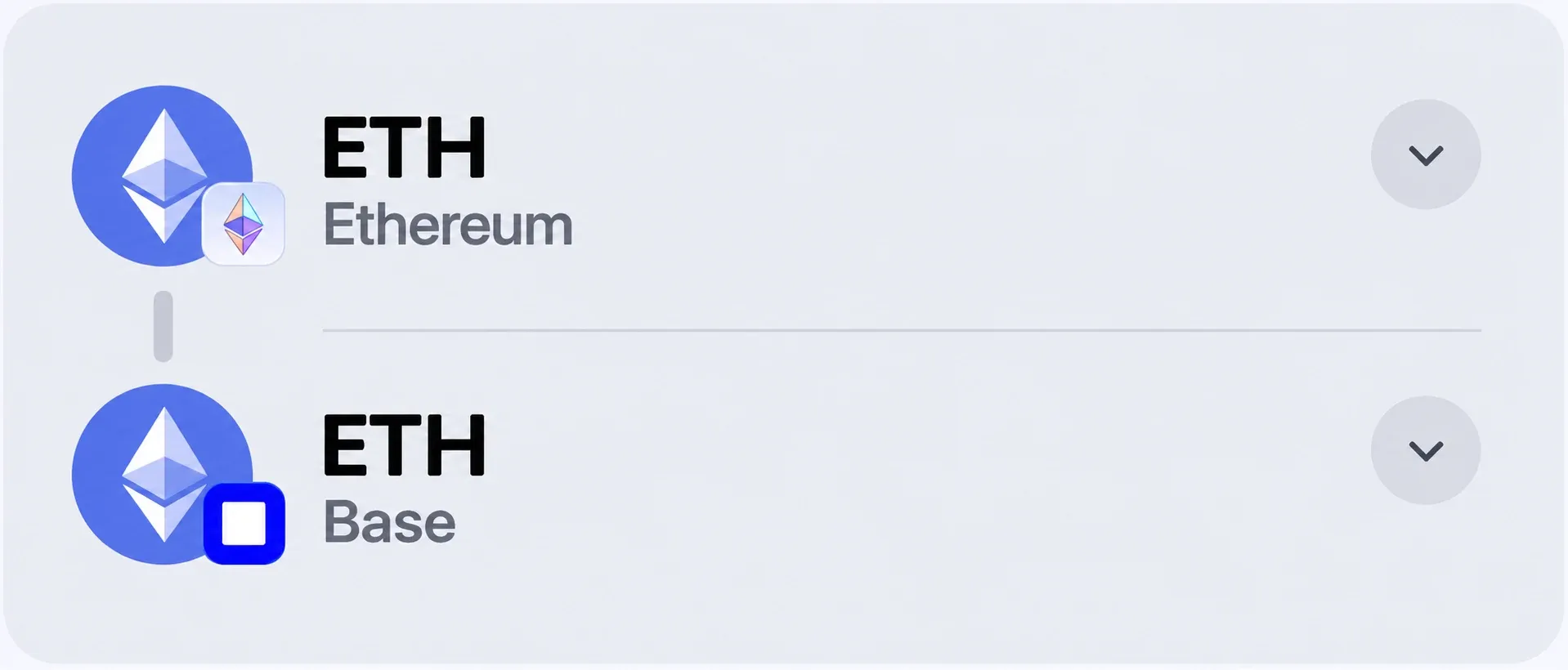
- Open Superbridge through Base's directory and connect the intended wallet. Verify the account and its source-chain balance.
- Select Ethereum and ETH in From. Select Base and ETH in To. Check the recipient if the flow allows a different receiving address; the receiving wallet must support Base.
- Enter the amount, leaving enough source ETH for gas. If Max leaves insufficient funds, lower the amount and review the new estimate.
- Select a route. Compare the provider, final ETH received, transfer-time estimate, network fees and any transaction count. Read the route's remaining steps before choosing it.
- Review the destination and fee details, then select Start and inspect the wallet request before confirming. A multi-step route can show Continue instead; check each listed approval or transaction separately. Begin with an amount that meets the route's minimum and that you can afford to put at risk.
- Keep the transaction hash and transfer reference. Open Activity to follow delivery and complete any remaining step. Confirm the recipient's native ETH balance on Base before moving more funds.
Superbridge's fee breakdown says it adds no interface fee, but provider and network charges can still apply. Some are paid on top; others reduce the delivered amount. No extra fees in the route list doesn't mean no blockchain gas.
For MetaMask, the current Swaps instructions also cover cross-chain transfers. Open Swap, select the source network and ETH, then Base and ETH as the output. Enter an amount and inspect the quote before confirming. Don't follow an older Bridge-button tutorial if your current interface uses Swap.
Check destination delivery before retrying
A successful source transaction establishes only the source stage. Check the provider's transfer status, then inspect the destination transaction and intended recipient on Base's explorer. Select Base and the same account in your wallet. For an exchange recipient, confirm its deposit credit separately from blockchain delivery.
If the source transaction is pending, check that transaction before creating another route. If it failed, diagnose the wallet's error rather than assuming the bridge holds the funds. If the source succeeded but delivery remains incomplete, return to Activity and check for a pending relay or required action. Contact the selected provider through its official support path with the transfer reference.
If your actual goal is a stablecoin balance, use the USDC-on-Base transfer checks instead. Receiving ETH for gas and receiving the correct USDC contract are separate tasks.
Plan the return to Ethereum before committing
The standard withdrawal wait applies from Base back to Ethereum; it doesn't apply to the forward Ethereum-to-Base deposit. Base's current withdrawal specification describes initiating on Base, proving on Ethereum and finalizing on Ethereum after the required conditions pass.
Its finalization window is 5 days for a single-proof dispute game, or 1 day when both TEE and ZK proofs back the proposal. A separate 1-day proof maturity delay runs from proving, concurrently with that window; finalization waits for both. State posting and transaction submission add time, so the shorter window isn't a promise of ETH arriving exactly a day after you start.
Keep Base ETH for initiation and Ethereum ETH for proving and finalizing. Return to Activity for the required actions. A fast provider can deliver Ethereum funds through its liquidity before canonical finalization; it doesn't shorten the protocol's window. Before funding Base, choose the return route and read its fees and completion requirements. For another destination or asset, use the bridges and tokens hub to find that transfer's checks.