Chain Bridge

Contents
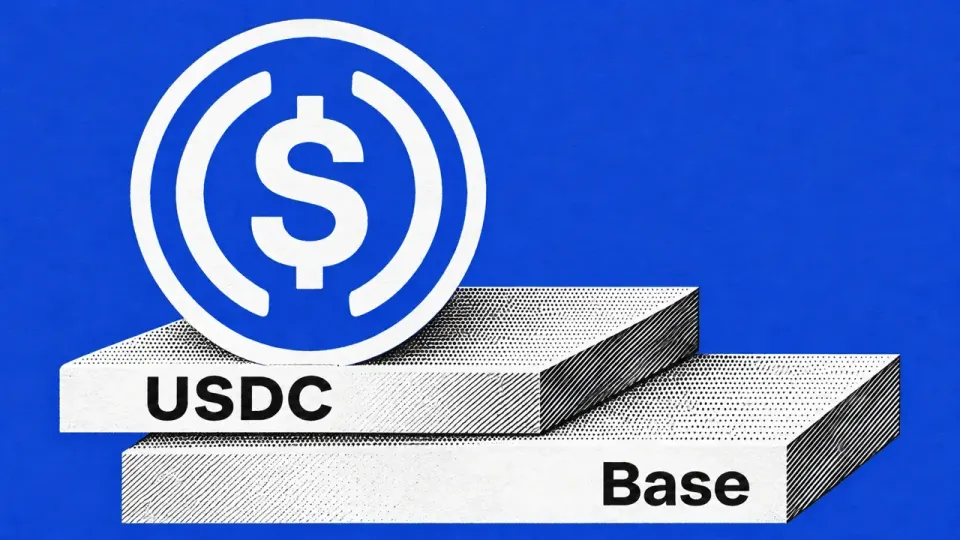
Native USDC on Base is Circle-issued USDC on the Base network. Its Base mainnet contract is 0x833589fCD6eDb6E08f4c7C32D4f71b54bdA02913. To receive it safely, the destination must support USDC specifically on Base; an Ethereum-style address alone doesn't establish that support.
Confirm Base and the native contract
Circle's contract directory identifies that address for Base mainnet. A wallet can display any token's name and logo, so compare the actual contract when identifying an unfamiliar balance. Don't send funds to the token contract itself: a token contract address identifies the asset, while a receiving address identifies the destination.
USDbC, the older bridged USDC representation on Base, is a different asset. Mainnet USDC also differs from test tokens on Base Sepolia. I'd resolve that identity check before choosing an exchange or bridge, because a route for a similarly named token can lead to the wrong deposit.

Match both ends of the transfer
- Open the receiving wallet or service's deposit screen and choose USDC on Base.
- Check the displayed network, address, minimum deposit and any additional instructions. Don't infer supported networks from an address beginning with
0x. - On the sending side, select the matching asset and Base network. Review the fee and amount received.
- Where a test amount exceeds the destination's minimum, send it first and confirm credit before sending the rest.
A self-custody address can have assets on multiple EVM networks, but an exchange controls its own crediting rules. A successful transfer to its address on an unsupported network may not appear in your exchange balance. Contact the receiving service before sending if its network list is unclear.
Keep the right asset for gas
Base's official network details list ETH as the network currency and 8453 as the mainnet chain ID. Ordinary self-custody token transfers need ETH on Base for gas, unless the specific wallet or application sponsors fees. ETH held only on Ethereum mainnet isn't a Base gas balance.
Don't send a fixed “recommended gas amount” from a dated guide without checking the wallet's current fee estimate. Transfers, token approvals and swaps are different operations and can have different costs.
Switching the wallet's selected network changes the view. It doesn't move tokens between Ethereum and Base or create a gas balance on another chain.
When bridging is necessary
If your USDC is already on Base and the destination accepts it there, an ordinary transfer doesn't require a bridge. If the source and destination chains differ, use a supported cross-chain route. Circle lists Base as a native-USDC network; the transfer service must still support the particular source-and-destination combination.
Check what token the route will deliver, the expected fees and any claim step before approving it. A swap between two tokens on Base doesn't move funds onto Ethereum. If you hold a bridged version, first distinguish it from native USDC and its supported routes.
For the destination check, prefer its current deposit screen over an old blog post or a supported-assets list without network detail. Stop if Base isn't explicitly available for that USDC deposit.
If a transfer doesn't appear
Find the transaction on the source network's explorer and check its status, receiving address and token contract. For a self-custody wallet, select Base and check whether the supported token needs to be displayed. For an exchange, compare the transaction with its deposit rules and contact official support if required. Never enter your recovery phrase into a “missing token” or recovery website.