Chain Bridge

Contents
To accept USDC payments, agree on the network and exact token, give the customer verified payment instructions, and match the completed payment to an invoice before delivering the order. You can receive USDC in your own wallet or use a payment provider. I would choose the provider when checkout, automatic order matching and refunds matter more than holding the tokens directly.
Choose what you want to receive
| Route | What you control | What to verify first |
|---|---|---|
| Direct wallet payment | Your receiving address and custody of the USDC | Network, token contract, invoice matching, confirmation policy and the later route to spend or convert it |
| Payment provider | The checkout and settlement options your approved account supports | Business eligibility, customer networks, fees, settlement asset, payout conditions and refund process |
A customer paying in USDC doesn't necessarily mean you receive USDC. Stripe's US stablecoin-payment setup, for example, says funds settle in your Stripe balance in USD. Its current US instructions exclude businesses in New York and require an access request that Stripe reviews. Check your own account's eligibility before advertising the method.
Don't assume you can open Circle Mint as an individual or small merchant. Circle's USDC information says Mint is for institutions and isn't available to individuals or small businesses. Choose a receiving and conversion service you can actually use.
Write an unambiguous payment request
For a direct payment, choose a network that both sides support and a wallet address you control on that network. Check the token against Circle's mainnet USDC contract list. The token contract identifies the asset; it isn't the address the customer should pay.
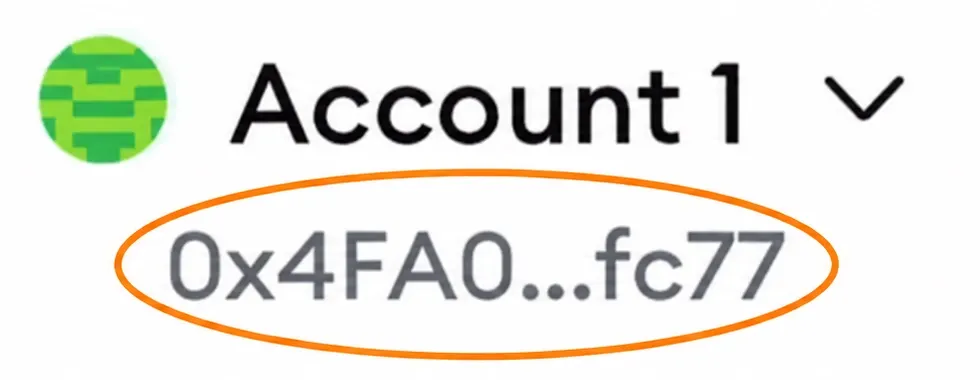
In MetaMask Mobile, tap the public account address to copy it, then share that account address with the payer. MetaMask's receiving instructions also require token and network compatibility. Compare the complete copied address with the account before putting it on an invoice. A ticker or a familiar address prefix doesn't establish the network.
Include the following in the payment request:
- Invoice or order reference: the record this payment should settle.
- Amount and denomination: whether the bill is a fixed USDC amount or a fiat amount converted under an agreed quote, including its expiry.
- Network and token: the production network and accepted USDC representation.
- Recipient: the full receiving account address, or the provider's payment link for that order.
- Fee responsibility: the amount that must arrive after any payer-side deduction.
- Completion and exceptions: when you treat the bill as paid, and how you handle late, short or excess payments and refunds.
I prefer a fixed USDC amount for a bill intended to settle in USDC, because it makes the payment check explicit. If the commercial price is in dollars or another currency, write down the conversion rule instead of silently assuming the market price, provider rate and invoice amount are identical.
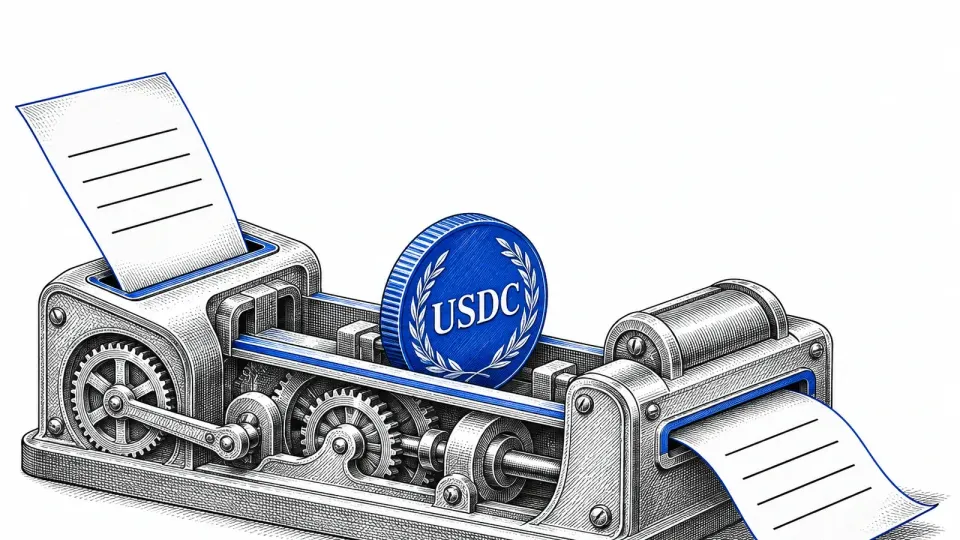
Use the provider's unique checkout record or maintain a reliable invoice-to-payment record yourself. An invoice number in an email doesn't automatically attach itself to a blockchain transfer. Don't put private customer information into a public transaction just to make reconciliation easier.
Use a provider's supported checkout
For an eligible Stripe US account, open Payment methods in the Dashboard and request Stablecoins and Crypto. The method remains Pending during review. Once active, Stripe's default dynamic payment methods can show it to eligible customers in Payment Links, hosted Checkout or Elements. A custom integration has additional setup requirements.
The documented customer flow redirects the payer to crypto.stripe.com to select the currency, network and wallet. Use the supported flow rather than replacing the checkout instructions with a generic wallet address. Stripe also supports stablecoin payments through Invoicing and Payment Links, but availability depends on the enabled account and product.
Before sending a real customer a link, use the provider's sandbox to check the payment flow and order matching. Stripe documents testing with testnet assets. Keep those tests separate from production: test USDC has no monetary value and can't settle a real invoice.
Verify receipt before marking the invoice paid
For a direct wallet payment, inspect the transaction on the explorer for the agreed network. Match its successful status, destination account, USDC contract and transferred amount to your request. A screenshot, a submitted withdrawal request or an unrelated transaction hash isn't enough.
Set a confirmation policy appropriate to the network and the value of the order. I wouldn't copy a fixed confirmation count from another chain. If you receive through a custodian, wait for its credited balance or completed payment status as well; blockchain inclusion and a provider's usable balance are different stages.
For Stripe Checkout, verify the payment record in the Dashboard or through your integration before fulfillment. Stripe's fulfillment guide says to retrieve the Checkout Session, check payment_status and record fulfillment only once. Automated fulfillment needs verified webhook events; a customer reaching a success page alone doesn't prove payment, and a paying customer might never reach that page.
Record the invoice ID, network, token, actual amount received, transaction hash or provider payment ID, completion time and any separate fees. Keep the conversion record if you later turn the USDC into bank money. The sale, the token transfer and the bank payout shouldn't become one unexplained ledger entry.
Resolve short payments and refunds explicitly
If a payment is short, late, on the wrong network or in an unaccepted token, pause fulfillment and contact the customer through the established order channel. Compare the actual receipt with the agreed terms. Don't ask them to send the whole invoice again before checking what already arrived.
For a direct-wallet refund, verify the original payment and confirm the customer's intended refund network and address through that trusted channel. Don't automatically return funds to an exchange's sending address; the payer may not control it or be able to receive a return there. Record the refund as a separate transaction and agree who covers its fee.
For a processor payment, use its refund process. Stripe says stablecoin refunds return as stablecoins to the customer's original wallet, even when your business settlement was in fiat. Its lack of card-style chargebacks doesn't eliminate refund obligations or resolve a disagreement about the order.
Keep recovery phrases and private keys private. Receiving a payment requires a public account address, not a secret or an approval allowing an unknown site to spend your tokens. Use the USDC network guides to check the receiving chain, the native and bridged USDC comparison when token labels differ, and the bridge guides if a later transfer needs another network.